You’ve poured your creativity into crafting a compelling brand message and stunning visual designs. Your concepts are brilliant, your layouts are pixel-perfect, and your vision for the campaign is clear. But translating that digital masterpiece into high-quality, physical marketing materials that truly capture your brand’s essence can often feel like navigating a complex maze. This guide is specifically designed for agencies and designers who want to bridge that gap, transforming their creative ideas into actual, impactful print pieces. We’ll walk you through the entire marketing material printing process, from initial design to final delivery, highlighting how a strong, collaborative partnership with your printer can make all the difference in achieving your campaign goals without stress or unexpected hurdles.
The Foundation of a Flawless Project: Early Collaboration and Partner Selection
The journey to exceptional marketing materials begins long before the first file is sent. It starts with choosing a printing partner for brand consistency, a relationship built on trust, communication, and a shared understanding of your objectives. Many designers wait until the design is finalized before engaging a printer, but this can lead to missed opportunities and costly
revisions.
Why Early Engagement Matters
Bringing your printer into the conversation during the conceptual phase offers immense benefits. They can provide invaluable insights into:
Feasibility and Cost-Effectiveness: A printer can advise on the practicality and cost implications of your design choices, suggesting alternative materials, finishes, or production methods that achieve a similar effect within your budget. Imagine designing a piece with a specific die-cut only to find it’s prohibitively expensive or technically challenging for your chosen stock. Early input prevents such surprises. Material and Finish Options: The world of paper stocks, coatings, and special finishes is vast. Your printer can introduce you to options that enhance your design, align with your brand’s aesthetic, and stand up to the intended use of the marketing material. They can provide samples, helping you make informed decisions that elevate the final product. Timeline Management: Understanding the production timeline from the outset is crucial for campaign planning. Your printer can give you realistic lead times for different processes, allowing you to schedule your design phases and campaign launch dates accurately.
Choosing the Right Printing Partner for Brand Consistency
Selecting a printer is more than just getting a quote. It’s about finding a collaborator who understands your brand’s value and can consistently deliver quality that reflects it. Look for a partner who:
Demonstrates Expertise: Do they ask insightful questions about your project goals, target audience, and brand guidelines? Do they offer solutions and suggestions based on their experience? Prioritizes Communication: A good printer communicates clearly, promptly, and proactively, keeping you informed at every stage. Offers a Range of Services: While specializing is good, a printer offering comprehensive print production services, from digital to offset, and various finishing options, can be a one-stop shop for diverse campaign needs. Has a Proven Track Record: Ask for references, view their portfolio, and assess their commitment to quality and customer satisfaction. A printer who consistently delivers high-quality work is essential for maintaining brand integrity across all your marketing materials.
Design for Print, Not Just for Screen: Pre-Production Essentials
Once your design concepts are solidified and your printer partner is on board, the next critical phase involves preparing your files for print. This is where many common pitfalls occur, often due to a lack of understanding of print specifications versus digital display.
Mastering File Preparation
Accurate file preparation is the bedrock of successful marketing material printing. Your printer will provide specific guidelines, but generally, pay close attention to:
Color Mode: Always design in CMYK for print. RGB is for screens, and converting RGB to CMYK can lead to unexpected color shifts. Discuss specific color matching, like Pantone, with your printer early on. Resolution: Images and graphics should be 300 DPI (dots per inch) at their actual print size to ensure sharpness and clarity. Lower resolutions will result in pixelated or blurry output. Bleed: Extend any background colors or images beyond the trim edge of your document by a specified amount (typically 0.125 inches). This “bleed” prevents white edges if there’s a slight shift during the cutting process. Safe Zone: Keep important text and graphics within a “safe zone,” typically 0.125 to 0.25 inches inside the trim line, to avoid them being accidentally cut off. Fonts: Convert all fonts to outlines or embed them in your PDF to prevent font substitution errors. File Format: High-resolution PDF/X files are generally preferred, as they embed all necessary elements and maintain layout integrity.
Material Selection and Finishing Touches
Your printer partner is invaluable in guiding you through material selection. The choice of paper stock, its weight, texture, and finish, significantly impacts the tactile experience and perceived quality of your marketing materials.
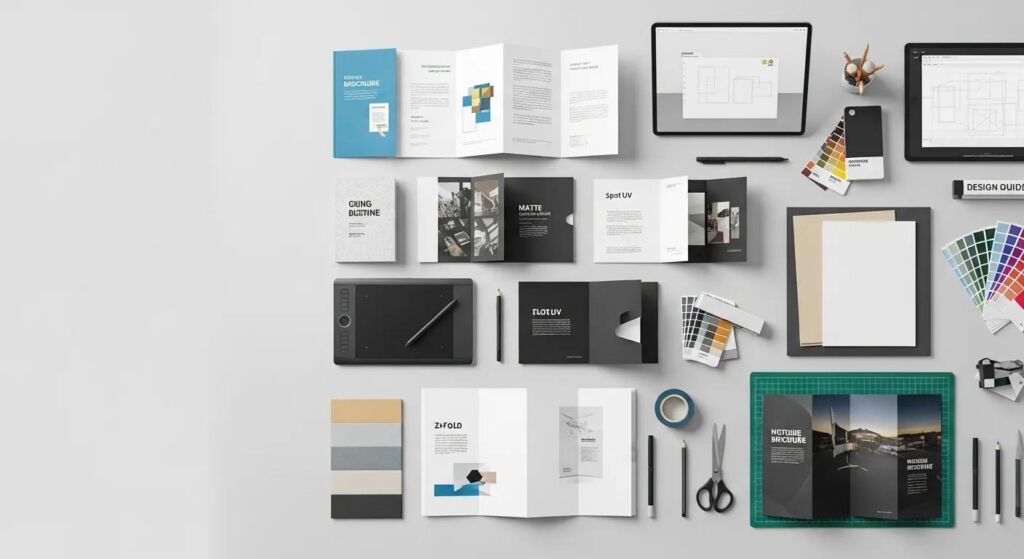
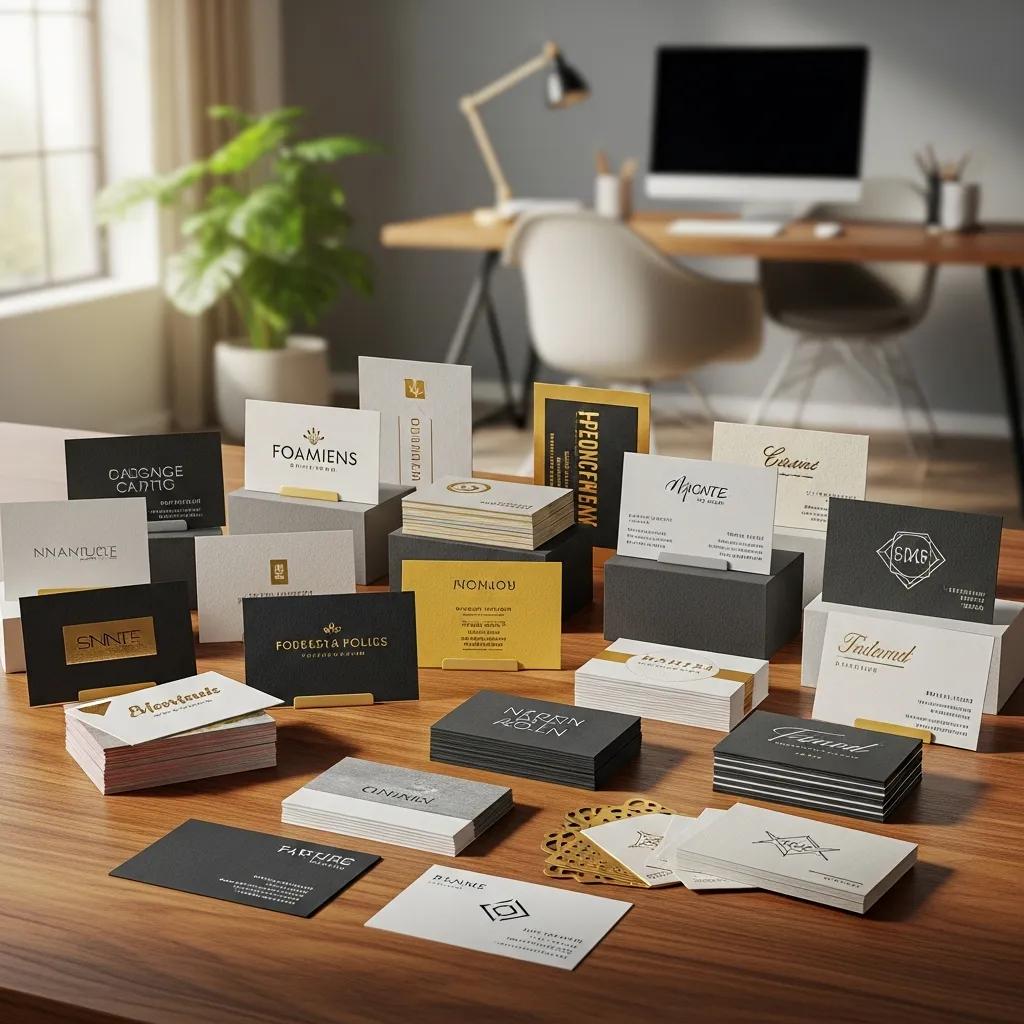
Paper Stock: Consider the purpose of the material. A heavy, uncoated stock might be perfect for a luxury brochure, while a lighter, coated stock could be ideal for a high-volume flyer. Coatings and Finishes: Options like UV coating, matte or gloss laminate, spot UV, embossing, debossing, or foil stamping can add a real, premium feel and visual interest. Discuss these with your printer to understand their impact on cost and production time.
From Proof to Press: Quality Control and Execution
With your files meticulously prepared and materials chosen, the project moves into the critical proofing and production phases. This is where your printer’s print production services truly shine, ensuring your vision is executed flawlessly.
The Importance of Proofing
Proofing is your last chance to catch errors before mass production. Your printer will provide various types of proofs:
Digital Proofs (Soft Proofs): These are usually PDF files that show layout, text, and image placement. While useful for checking content, they are not color-accurate. Hard Proofs (Physical Proofs): These are actual printed samples, often on the specified paper stock, that provide a much more accurate representation of color and overall appearance. Always request a hard proof for color-critical projects. Press Checks: For very large or color-sensitive runs, a press check allows you to approve the first sheets coming off the press, ensuring everything is perfect before the full run commences.
Review proofs meticulously. Check for typos, incorrect images, color accuracy, proper bleeds, and overall layout. Once you approve a proof, you are signing off on the final product.
The Printer’s Role in Print Production Services
During the actual printing process, your printer’s expertise ensures quality and consistency. They manage:
Color Management: Calibrating equipment to match your approved proofs as closely as possible. Quality Control: Monitoring the print run for consistency, registration, and any imperfections. Finishing Processes: Overseeing cutting, folding, binding, and any special finishes you’ve selected.
A reliable printing partner will keep you informed throughout this stage, addressing any unforeseen issues promptly and transparently.
Beyond the Press: Finishing, Delivery, and Continuous Improvement
The journey doesn’t end when the ink dries. The final stages involve getting your materials into the right hands and learning from the experience.
Packaging and Delivery Logistics
Discuss packaging requirements with your printer. Do you need specific quantities per box, special labeling, or distribution to multiple locations? A good printer can often manage these logistics, simplifying your campaign rollout. Confirm delivery schedules and locations well in advance.
Nurturing the Partnership
Every project is an opportunity to strengthen your relationship with your printing partner. After a campaign concludes, consider:
Feedback: Provide constructive feedback, both positive and areas for improvement. PostMortem: Discuss what went well and what could be optimized for future projects. This continuous dialogue fosters a stronger, more efficient partnership.
By embracing early collaboration, meticulous preparation, and thorough quality control, designers can transform their creative concepts into impactful, real marketing materials. A strong partnership with your printer is not just a convenience, it’s a strategic asset that ensures your brand vision translates perfectly onto paper, campaign after campaign. Ready to elevate your next marketing material printing project? Reach out to a trusted print production services provider today to discuss your vision and see how a collaborative approach can bring your designs to life.